

The Future of Communications Analytics: How AI Is Transforming Channel Partners
The evolving use of analytics in the channel
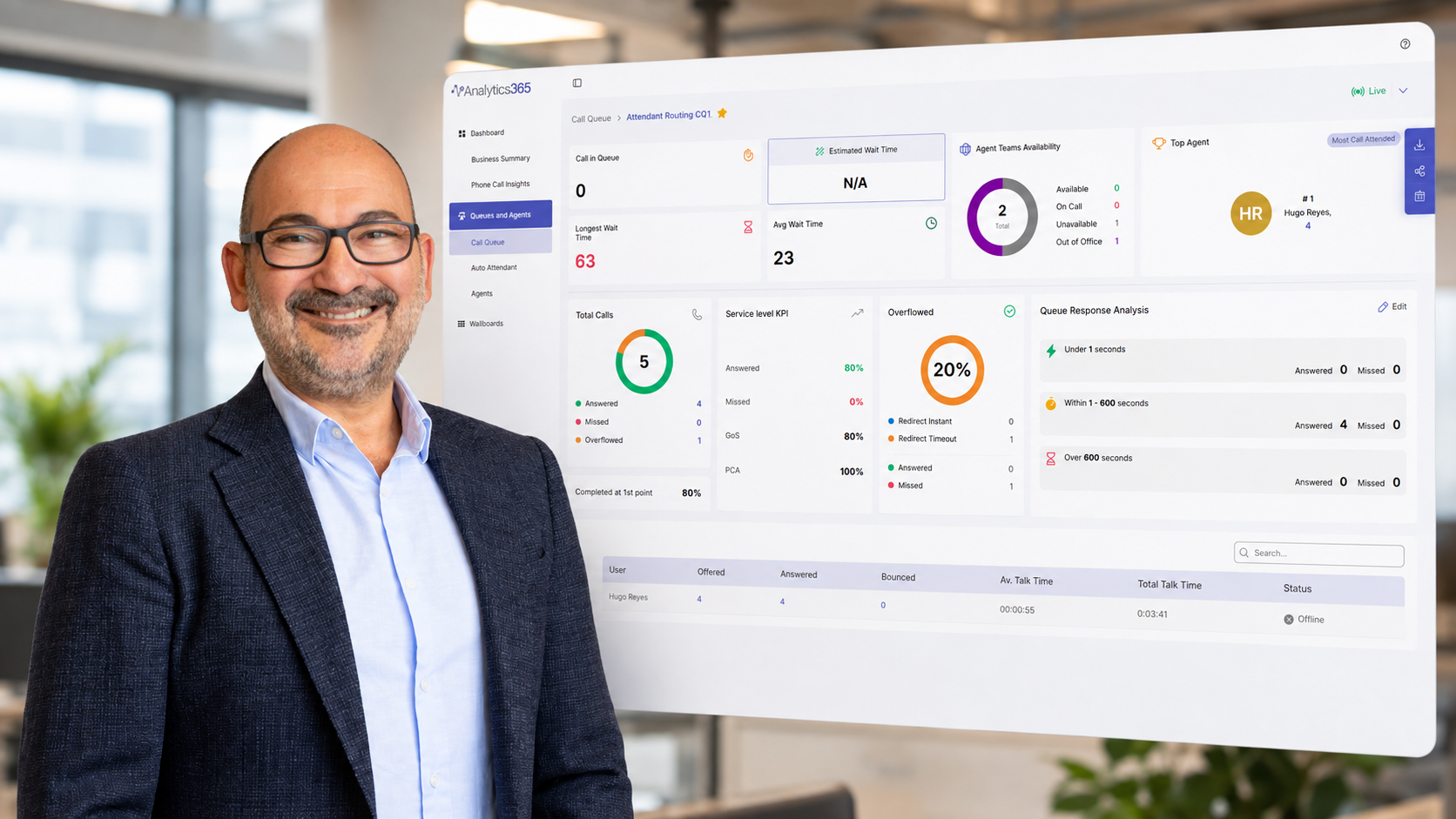
Over the past year, communications analytics has shifted from being a reporting tool to becoming a strategic decision-making platform. This transformation has been driven by two major factors: easier deployment and rapid advances in AI.
Cloud-based provisioning and self-service marketplace capabilities now enable channel partners to deliver analytics solutions with ease. Customer access to configuration, administration and system settings, enable them to explore data without needing technical specialists. Simple deployment and ease of use have made analytics more accessible to organisations of all sizes.
At the same time, the focus has expanded beyond traditional call reporting. Organisations are increasingly looking to understand the content, quality and outcomes of their conversations, rather than simply measuring volumes or durations. Conversation intelligence has become one of the fastest-growing areas of communications analytics. By integrating with platforms such as Microsoft Teams and other unified communications environments, AI-powered analytics can analyse every interaction to identify recurring themes, customer sentiment, compliance risks, coaching opportunities and emerging business trends.
AI is transforming recorded conversations into structured, searchable business intelligence. Every customer interaction contains valuable information about service quality, sales performance, customer needs, compliance and operational efficiency. Modern analytics platforms extract this information, highlight trends and surface recommendations that would otherwise remain hidden within thousands of hours of conversations.
As a result, analytics is no longer viewed as an operational reporting function. It has become a core value driver for channel partners, enabling them to deliver measurable business outcomes, differentiate their services and create recurring value for customers.
The most effective analytics solutions currently available
The most effective analytics solutions combine conversational AI with API integration capabilities because organisations increasingly expect analytics to fit seamlessly into existing business processes. APIs play a critical role in this.
APIs allow partners and customers to integrate communications analytics directly into CRM systems, business intelligence platforms, customer service applications and bespoke workflows. Rather than introducing entirely new processes, analytics becomes embedded within the systems employees already use every day. This significantly lowers the barriers to adoption while delivering immediate operational value.
Ultimately, competitive advantage will come not from collecting more communications data, but from understanding which conversations matter most, identifying emerging patterns before they impact business performance, and enabling people to take the right action at the right time.
The key challenges involved in implementing analytics
The technology is advancing rapidly, but successful implementation remains as much about people as it is about software.
One of the biggest challenges is overcoming the perception that AI is designed to replace employees. In reality, conversational analytics is intended to augment human expertise rather than automate it away. It provides managers, supervisors and frontline teams with timely, evidence-based insights that help them make better decisions, coach more effectively and respond more quickly to changing customer needs.
Another challenge is ensuring organisations have clear objectives for their analytics strategy. Simply collecting more data does not create value. Businesses need to understand the questions they want answered, define meaningful performance measures and ensure insights are delivered to the people who can act on them.
When analytics is positioned as a decision-support tool rather than a monitoring tool, user adoption and business outcomes improve significantly.
The importance of using reliable data in analytics programs
The value of any analytics platform depends entirely on the quality of the data that underpins it. Incomplete, inaccurate or inconsistent communications data leads to unreliable insights, reducing confidence in AI-generated recommendations and limiting the value organisations can derive from analytics initiatives.
Reliable communications analytics requires comprehensive data capture, accurate transcription, secure storage and consistent governance. Organisations also need confidence that AI models are analysing complete and trustworthy information rather than fragmented datasets.
For channel partners, working with software vendors that prioritise data integrity, security and compliance is essential. High-quality data creates trustworthy analytics, enabling organisations to make faster, more confident business decisions while meeting regulatory and governance requirements.
How the technology will develop over the next year and beyond
Advances in conversational AI and generative AI are transforming recorded conversations into one of the richest sources of operational intelligence available to organisations. Rather than producing static reports, analytics platforms will increasingly deliver proactive recommendations, automatically identify business risks, summarise key interactions and provide contextual guidance to users at the moment decisions need to be made.
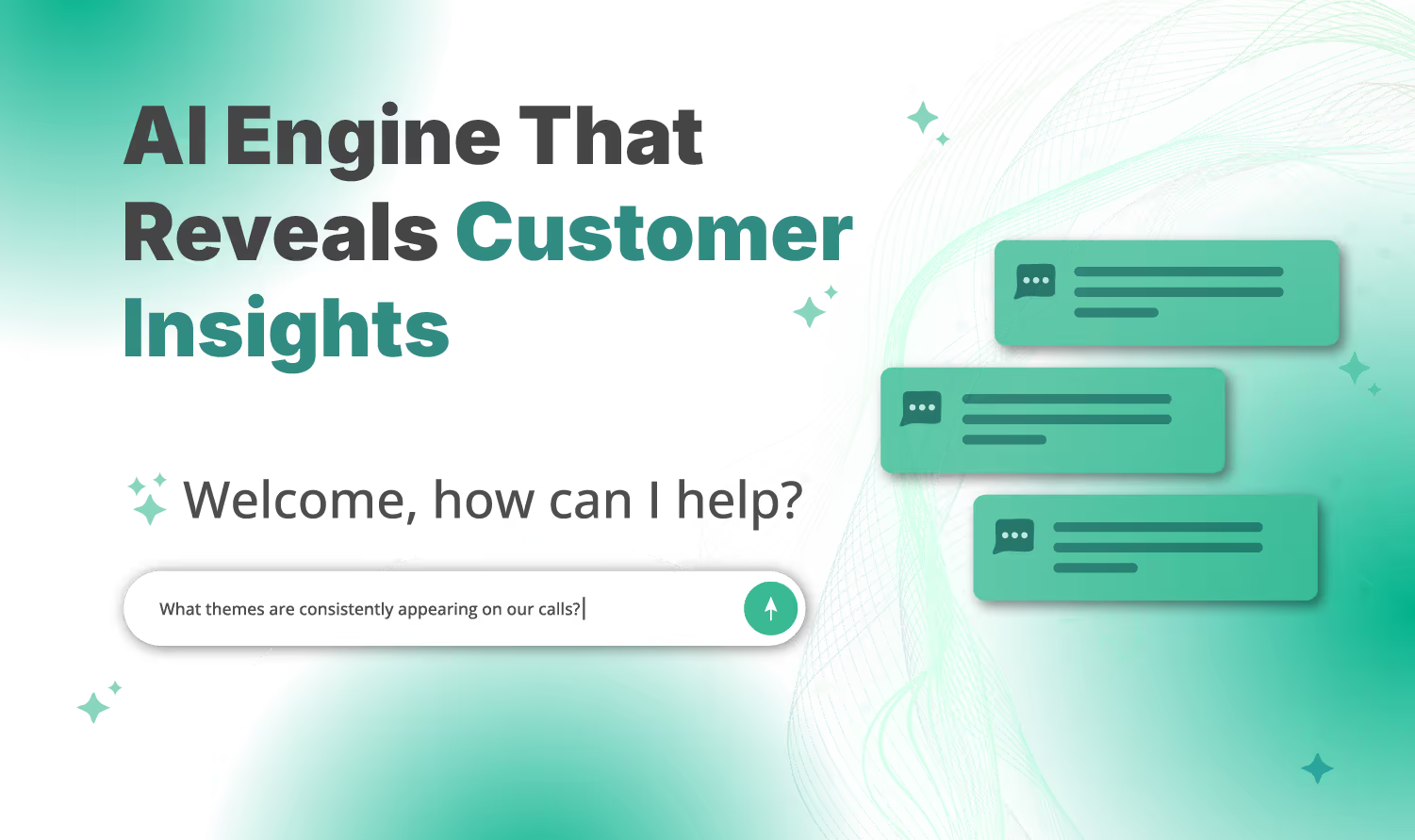
Generative AI will also make analytics significantly more accessible. Instead of building complex dashboards or writing queries, users will simply ask natural language questions such as "Why has customer satisfaction fallen this month?" or "Which sales conversations resulted in the highest conversion rates?" and receive immediate, evidence-based answers drawn directly from their communications data.
For channel partners, this represents a significant opportunity to deliver intelligent solutions that improve customer experience, increase operational efficiency and generate measurable business value. Communications analytics is evolving from a supporting capability into a strategic asset, and organisations that harness conversational intelligence effectively will be best positioned to gain a competitive advantage.