


Understanding the Modern Workplace: Trends and Opportunities
Navigating Changes: The Greatest Differences In The Last 12 Months
The most significant change is that more people have returned to the office. Whilst there are many who are still remote, more people are back in the office, both willingly and reluctantly. In addition, companies have been more willing to recruit remotely than before. This combination means managers are having to cope with and manage a more diverse hybrid working environment.
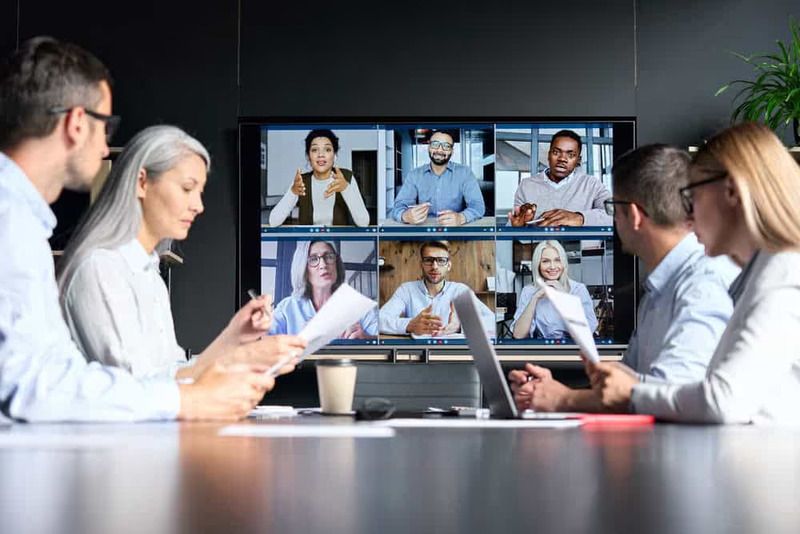
Another notable change is that although more workers are back at the office, at least part of the week, there is no longer an expectation to have face to face meetings with suppliers and customers. These are now predominantly held on Teams and other collaboration platforms. Offices must therefore be equipped to host remote meetings for groups based in the office alongside off-site participants.
Adapting For Success: What Software and Hardware Providers Need To Offer
Flexibility is key. Providers need to deliver the technology that allows customers to work and move seamlessly between remote, on site and hybrid – and to have the tools in place to understand whether there is any negative impact on the quality or frequency of engagement.
Technologies and Platforms In Demand: The Essential Integration Of Analytics
Teams is evolving quickly, and the growing use of Teams Rooms allows greater collaboration and improves productivity. This helps to meet the overall desire and trend to work smarter and more efficiently, regardless of location.
As with all change, particularly changes to the modern workplace, analytics is critical. Organizations need to understand where they started and where they are going to make smart decisions and deliver improvements. Analytics has also become an expectation particularly if the customer is using multiple communication platforms.
The introduction of CoPilot has commoditized AI and made it freely available, resulting in more people willing to engage with it and accept it. In fact, we are at a point where people are beginning to expect tools to have an element of AI included.
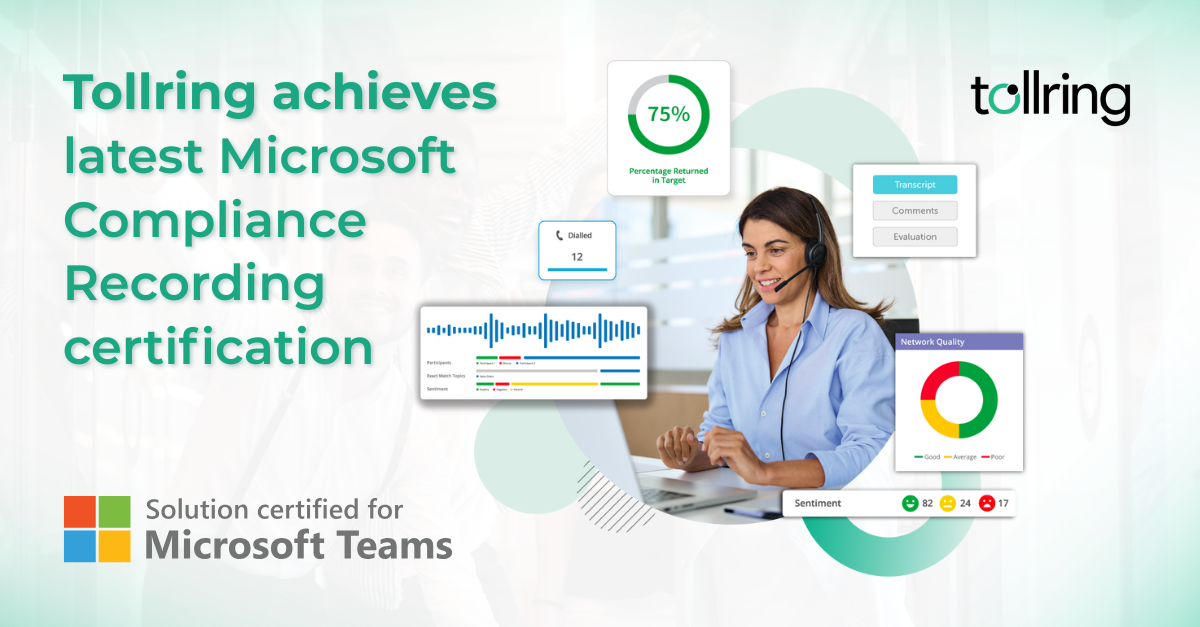
AI-based call recording technologies across Teams and other calling platforms are also in high demand. The latest AI-enabled recording software delivers quick and scalable insights into customer sentiment and behaviours. With features such as transcription, AI-driven keyword and topic analysis, sentiment analysis, and outcome analysis, companies can now leverage their recordings without manual input to enhance customer experience significantly.
Delivering Maximum Value: Strategies for MSPs, Resellers, and VARs through Products and Services
To deliver value, MSPs, resellers and VARs need to adopt a consultative approach that shows they understand their customer’s business and provide packages that meet their specific needs. And with people working differently, providers need to nail that before trying to offer the right solution
Solutions that assist the whole business will make the greatest impact. The aim is to deliver products that improve internal performance, efficiency and productivity as well as external customer experience. Ideally, these packages will have a high level of quality, flexibility, and intuitiveness and be applicable to the majority of a provider’s existing customer base and prospective customers.
There is a big expectation for applications to be very simple and easy to adopt. This means the user experience needs to be as connected as possible, even when combining solutions from multiple vendors. It also needs to be easily customisable with the ability to change settings to mirror any changes in processes – and it’s the MSP’s job to make the products applicable from the outset.
When selecting vendor partners, providers need to invest their time in as few products as possible to improve their own efficiency. Strong collaborative partnerships with vendors will deliver the greatest benefits, backed up with excellent support and educational resources. Where possible, services should also deliver recurring revenue benefits to the provider.
Key Trends Shaping the Modern Workplace in the Coming Year
Employees want flexibility. The workplace needs a new purpose and companies that take the time to define and embrace flexibility will unlock significant advantage. Organisations need to support a more diverse, flexible and technology enabled workforce who can collaborate more effectively within an office configured for future demand.
Climate change protection will also become increasingly important in the modern workplace. Already a key focus in the ISO 27001 standard, climate change protection will extend into every facet of a business. An organisation’s suppliers will also need to meet the necessary environmental policies as they work collectively to reduce their carbon footprints.
Finally, AI will create rather than diminish workforce opportunities. By minimising human input, organisations will accelerate, bolstered by better and more accurate information for better decisions to be made.










.jpeg)