



Enabling Success in the Hybrid Working Era: Insights for Providers, Resellers and MSPs
How hybrid working polices are changing working practices
Hybrid working is now a permanent fixture, but one without a universal blueprint. Some organisations are keen to minimise and even stop home working, while there are many others that will maximise the many benefits that hybrid working delivers to their organisations.
The outcome is a fragmented landscape, and no single approach looks to dominate. This means that suppliers, vendors and service providers must be adaptable and able to offer a wide variety of solutions to cater for however an organisation is set up.
There is growing demand for visibility – especially around collaboration, performance and customer experience. For example, Microsoft’s continued investment into hybrid working features, such as overlaying location data onto calendars, is a nod to the importance of contextual awareness in hybrid setups. Technology is no longer about just enabling hybrid work; it’s about helping business to understand how it’s working – and make improvements.
The challenges for businesses in enabling hybrid working
Beyond the technical basics of connectivity and security, the real challenge is in aligning team processes and systems in order to maintain customer experience. That’s where resellers and MSPs play a critical role, by providing the necessary guidance and hands-on support to deliver the best outcome.
Leaders need the confidence that hybrid working isn’t eroding company culture, productivity or service levels. But without the right tools, they’re left guessing. Providers that can offer real-time insights into collaboration and communication across remote and in-office staff are essential if businesses are to stay connected, responsive, and in control.
Customer experience is particularly vulnerable in hybrid models. If location affects service quality, businesses need to know immediately. Insight into how calls and interactions vary by team or location is becoming a key part of the hybrid and remote working toolkit.
Technologies in demand
With security and connectivity requirements already well-defined, businesses are looking for technologies that give them confidence that the path they have chosen is the right one for them. Unified communications platforms like Microsoft Teams are central, but there’s growing demand for tools that unlock more value from those platforms. This is especially true of analytics-driven insights and AI.
Analytics tools that span voice, chat, and meetings (and surface trends, sentiment, and performance insights) are gaining traction, especially when they’re easy to activate and deliver immediate results. The appetite isn’t for AI as a buzzword: it’s for tangible business impact.
It’s important to note that customers rarely chase new technologies; they just want to see results. For example, those that already use call recording are now seeking ways to automate analysis and turn those recordings into actionable insights.
Traditional voice resellers can tap into this opportunity by offering simple, effective tools that help customers extract meaningful intelligence from their conversations and interactions.
However, to fully unlock the potential of AI and analytics, resellers must adapt their sales strategies. Rather than positioning themselves as AI experts, they should focus on communicating the tangible value these technologies deliver such as improved customer satisfaction, enhanced compliance, and smarter decision-making.
How resellers and MSPs can build compelling hybrid working offerings
The most successful resellers are those that can deliver outcomes. They’re building compelling packages that embed AI-powered analytics into their core offerings, targeting specific industries or business sizes with tailored solutions. By wrapping AI-powered analytics into a commercially attractive package, these resellers can differentiate themselves, increase ARPU and improve customer retention.
AI and analytics don’t need to be positioned as complex or niche. When framed as essential business tools that help to improve service, ensure compliance or reduce churn, they become highly compelling.
Investing in partnerships with leading technology providers and staying ahead with the latest innovations can further differentiate their offerings and deliver real value to customers navigating hybrid work. Resellers that align with vendors offering ready-to-deploy, insight-rich solutions are in the strongest position to lead in the hybrid era.
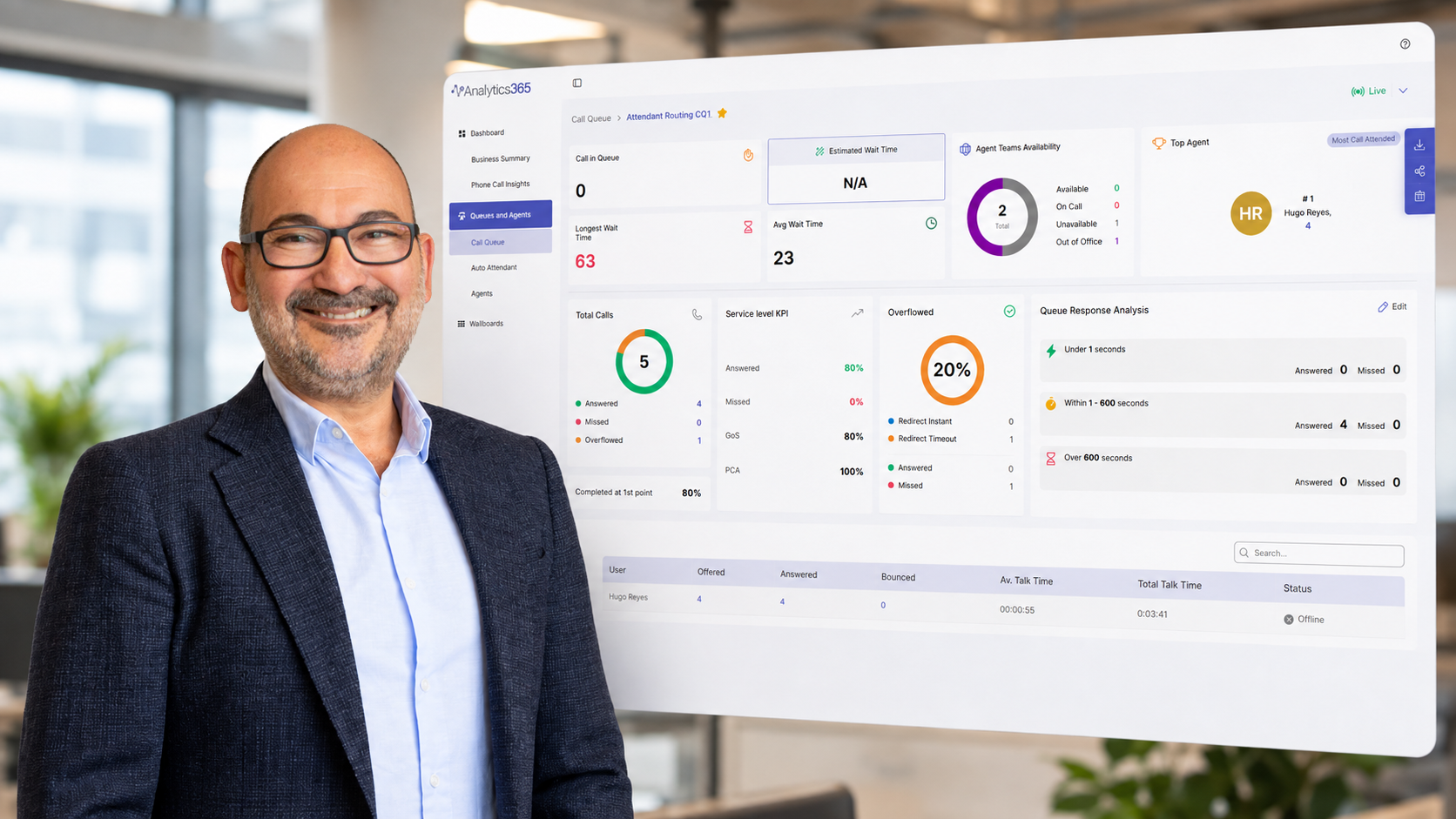
Tollring offers the very latest AI and analytics capabilities embedded within our products, making them easy for resellers to integrate into their existing solutions without requiring significant technical expertise.






.avif)
.avif)